Thinking about listing your Deerfield home this year and wondering how to make it stand out from the start? You want strong offers without overspending or stressing over last‑minute fixes. In this guide, you’ll get a clear, local prep plan with smart budgets, staging priorities, media tips, and the Illinois paperwork you need. You’ll also see how to time your debut and what to tackle first so you can launch with confidence. Let’s dive in.
Why presentation matters in Deerfield
Deerfield sits in Lake County with a small portion in Cook County, and many buyers prioritize school districts, commuting options, and curb appeal. The Village highlights local education resources and districts on the Deerfield education page. Two Metra stations and convenient suburban amenities help shape what buyers notice first online and at the curb.
Market trackers show Deerfield as a moderately competitive suburb with median values in the high five to mid six hundreds. That means small details can tip attention your way. According to the NAR 2025 Profile of Home Staging, 29% of agents said staging produced a 1% to 10% increase in offer value, and nearly half observed shorter days on market for staged homes. The most influential rooms are the living room, primary bedroom, and kitchen.
A smart 3–12 month prep plan
Use this timeline as a guide. Adjust to your situation and the season.
9–12 months out
- Pick your target listing window. Spring to early summer often sees strong activity locally. Confirm timing with a current market analysis.
- If larger projects might be needed, start now. Roof, HVAC, electrical or structural changes can require permits. Check the Village site for permitting and code updates on the Village of Deerfield website.
3–6 months out
- Consider a pre‑listing inspection to surface simple fixes before buyers see them. Tightening a leaky faucet or securing a loose handrail reduces buyer negotiation leverage later.
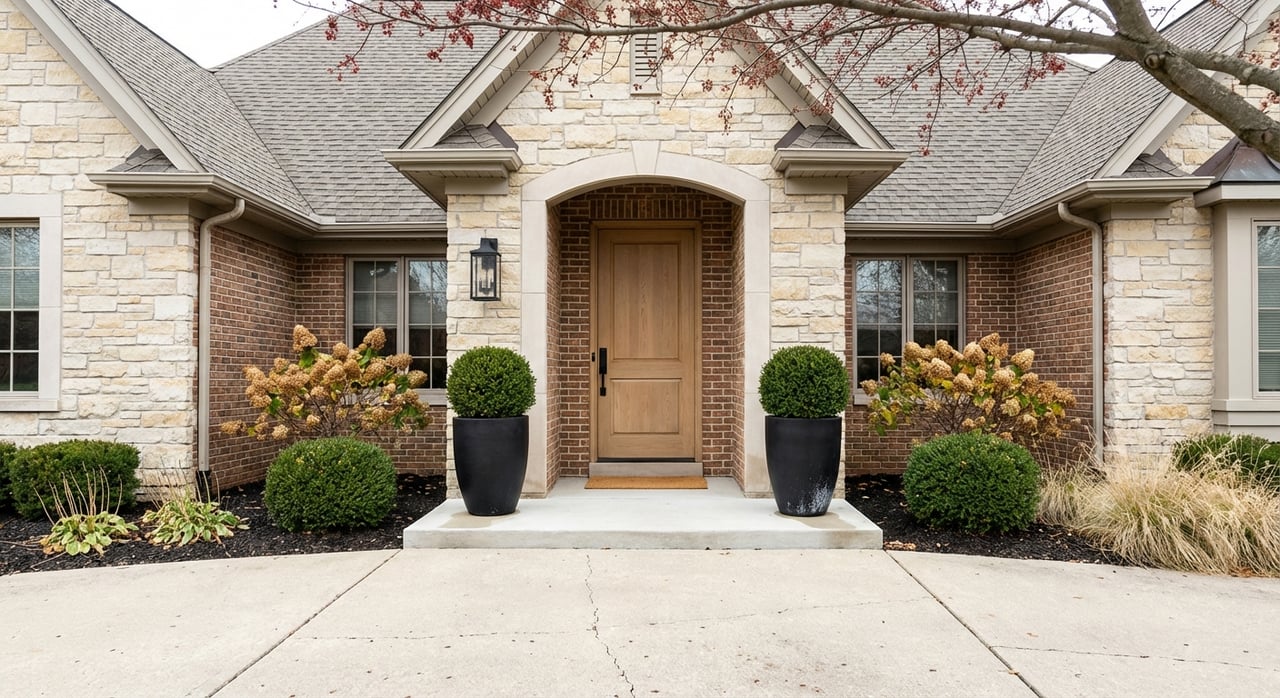
- Boost curb appeal. Edge and mulch beds, pressure‑wash walkways, touch up trim, refresh the front door and lighting, and update house numbers. National cost‑vs‑value data shows exterior upgrades often return the most.
- Refresh paint and lighting. Choose light, neutral tones and modern, energy‑efficient fixtures. For planning, see typical ranges in average interior painting costs.
1–2 months out
- Declutter and depersonalize. Remove visual distractions like excess decor and personal photos. Aim to clear at least 30% of surfaces and closets.
- Deep clean top to bottom. Pay special attention to windows, carpets, grout, vents, and appliances.
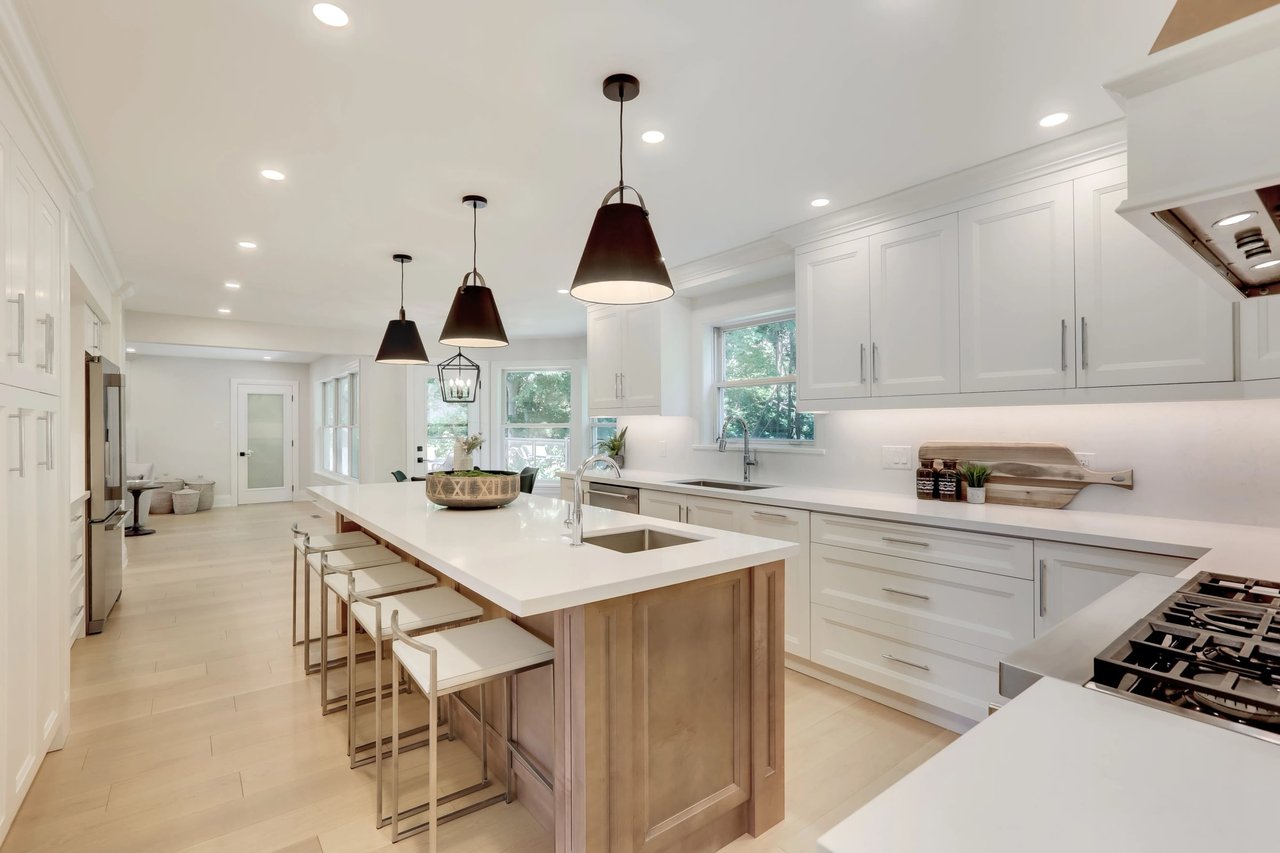
- Stage key rooms. If budget is limited, focus on the living room, primary bedroom, and kitchen, which NAR identifies as the most important to stage.
- Book your photographer and any media add‑ons after staging is complete and landscaping is fresh.
1–7 days before photos and listing
- Complete final polish items. Patch small nail holes, replace missing bulbs, re‑caulk where needed, and tidy outdoor areas.
- Keep the home show‑ready through the first two weekends. The opening week is your highest traffic window.
High‑ROI refreshes that photograph well
National averages from the 2025 Cost vs Value report show many exterior projects ranking high for resale return. Items like garage door replacement, a new steel entry door, and manufactured stone veneer routinely recoup a large share of cost. A minor, midrange kitchen remodel shows particularly strong national payback, averaging about 113% according to the report.
Translate that to Deerfield by focusing first on visible, cost‑effective updates that boost photos and first impressions:
- Paint in a light, neutral palette to brighten rooms and unify spaces.
- Update cabinet hardware, faucets, and door levers for a fresh, cohesive look.
- Improve lighting with warm, LED fixtures and higher‑lumen bulbs where appropriate.
- Elevate curb appeal with trimmed shrubs, new mulch, and a clean, welcoming entry.
Reserve major renovations for situations where comparable sales clearly justify the spend. Neighborhood pricing ceilings matter. Always get 2–3 local quotes.
Staging strategy that fits your budget
Staging does not have to be all or nothing. Pick a level that aligns with your goals and timeline.
- DIY styling up to $500. Declutter, deep clean, rearrange furniture for open sightlines, and add simple, neutral textiles. Focus on the living room, primary bedroom, and kitchen.
- Partial or professional staging for $500 to $2,000. Target the highest‑impact rooms with rented pieces or designer styling. NAR reports a median paid staging cost of about $1,500 and documents faster sales for many staged homes in its 2025 staging profile.
- Full vacant staging at $3,000 and up. Best for empty homes that need warmth, scale, and defined function in photos and showings.
Remember the NAR findings: 29% of agents saw a 1% to 10% price lift from staging, and many observed shorter days on market. If your budget is tight, stage only the three priority rooms.
Pro photos and virtual tours
Most buyers start online, so your media package matters. Build a plan that maximizes engagement and tells a clear story of the home.
- HDR interior and exterior photos. Aim for 20 to 30 carefully composed images that are sized correctly for the MLS. See typical vendor ranges in this guide to professional real estate photography pricing.
- 3D or guided virtual tour. This helps relocation or busy buyers pre‑qualify the home and often translates to more serious showings.
- Twilight front elevation. A single dusk “hero” shot can strengthen your first image on listing portals.
- Drone imagery when it adds context. For larger lots or unique settings, aerials can be valuable. Ensure the pilot complies with NAR drone guidance and FAA rules.
Scheduling tips:
- Photograph after staging and yard refreshes. Midday light often works best indoors, with a separate appointment for twilight exteriors.
- Share a must‑shoot list with your photographer. Prioritize new systems, high‑end appliances, fireplaces, built‑ins, or outdoor entertaining areas.
- Vet vendors by portfolio and turnaround time. Ask for examples from similar homes and confirm MLS‑ready file delivery.
Final week checklist
Use this quick list to prep for photo day and showings:
- Clear kitchen and bath counters, and store personal toiletries.
- Hide pet bowls, litter boxes, toys, and visible cords.
- Make all beds with simple, neutral bedding and reduce excess pillows.
- Open blinds and curtains, clean glass, and turn on all interior lights.
- Remove small appliances and knickknacks from sight.
- Park cars off the driveway and move trash and recycling bins out of frame.
- Mow, edge, and sweep patios, walks, and the driveway.
- Place a simple vase or plant for a clean, welcoming touch.
Illinois paperwork and local logistics
- Illinois property disclosures. Sellers must deliver the Illinois Residential Real Property Disclosure Report to buyers before they are contractually bound. See the statutory language and timing in the current text of the Illinois disclosure law.
- Lead‑based paint. For homes built before 1978, federal rules require a lead disclosure, the EPA/HUD pamphlet, and a 10‑day assessment period unless waived. Review the federal lead disclosure rule.
- Permits and code. For structural, electrical, plumbing, or exterior work, check the Village of Deerfield website for permits and code updates, and start early if needed.
- HOA or condo documents. Order resale packets, rules, and fee statements in advance so you do not delay buyers during attorney review.
Coordinate with your agent and attorney to ensure forms, dates, and deliverables are complete and on time.
Budget ranges at a glance
Every home is different. Use these planning ranges, then get 2–3 local quotes to confirm your numbers.
- Decluttering and short‑term storage: $200 to $800.
- Deep clean and carpet cleaning: $150 to $600.
- Interior paint touch‑ups: $300 to $1,500 per room. See average interior painting costs.
- Pro photos: $150 to $400 baseline. Drone add‑on $100 to $300. 3D tour $250 to $600. See typical ranges in this photography pricing guide.
- Staging for occupied homes: $500 to $2,000, with a median paid staging cost around $1,500 per the NAR staging profile. Full vacant staging is higher.
- Exterior touch‑ups: $300 to $3,000 depending on scope. National data from the Cost vs Value report shows certain exterior projects often lead on ROI.
Make your Deerfield debut with confidence
With a clear timeline, focused updates, thoughtful staging, and strong media, you can launch your Deerfield listing with impact. Prioritize high‑visibility, high‑ROI items first, prep the three key rooms, and plan your photo day so your home shines online and in person. When you are ready, partner with a hands‑on local expert who can guide timing, vendors, staging, and marketing from start to finish.
If you would like tailored advice and a data‑driven plan for your property, connect with Jennifer Haug. Start with a conversation and get a free home valuation to map your next steps.
FAQs
What is the best month to list a home in Deerfield?
- Spring to early summer often sees strong buyer activity locally. Confirm timing with a current market analysis for your price range and a plan that aligns with your move.
Which rooms should I stage for the biggest impact?
- Prioritize the living room, primary bedroom, and kitchen. NAR research shows these rooms most influence buyers and can shorten days on market.
How much should I budget to prep my Deerfield home?
- Many sellers succeed with $1,000 to $4,000 focused on paint, lighting, curb appeal, cleaning, key‑room staging, and pro photos. Get 2–3 local quotes to refine your plan.
Do I need a pre‑listing inspection before I sell?
- It is optional but helpful. A pre‑listing inspection can surface small fixes you can handle upfront, reducing surprises during buyer inspections.
What disclosures are required to sell a home in Illinois?
- You must provide the Illinois Residential Real Property Disclosure Report before the buyer is contractually bound, and pre‑1978 homes require federal lead disclosures and a pamphlet.