If you are eyeing a single-family rental in Glenview, the big question is simple: will it actually work for a small investor? In a high-price suburb, it is easy to assume strong demand automatically means strong returns, but that is not always how the numbers play out. This guide will help you understand where Glenview stands today, what kind of rental demand is most likely, and what operating details matter before you buy or lease out a home. Let’s dive in.
Glenview looks more like a hold market
Glenview is a mature north suburban market with nearly 48,000 residents and 18,454 households. It also has a high owner-occupied housing rate of 78.9 percent, which tells you right away that this is not a heavily renter-driven market. For a small investor, that usually points to a more selective rental pool and a property standard that needs to feel closer to owner-occupied than entry-level rental stock.
Home prices also sit in a higher suburban tier. Census data shows a median owner-occupied home value of $609,600, while Zillow reports an average home value of $675,105 and homes going pending in about 6 days. Median gross rent is $2,148, and current rental trackers place asking rents in the mid-$2,400s to mid-$2,500s, which suggests Glenview is better viewed as a stability and appreciation play than a low-cost, high-cash-flow market.
What tenant demand may look like
Glenview’s local profile points toward long-term, household-oriented rental demand. The average household size is 2.53, 24.1 percent of residents are under 18, and 25.5 percent are 65 and over. That mix suggests a market where space, comfort, and day-to-day convenience matter more than short-term turnover.
The village also offers two Metra stations, commuter parking, and an average Chicago commute of about 30 to 35 minutes. Add in parks, shopping, dining, and broad internet access, and the likely renter profile becomes clearer. A single-family rental here is more likely to attract tenants who want suburban living, commuting access, and a home that feels settled.
Expect higher presentation standards
In Glenview, your competition is not just other rentals. In many cases, your listing is competing with the standard set by owner-occupied homes nearby. That means clean condition, solid upkeep, and functional updates can matter as much as square footage.
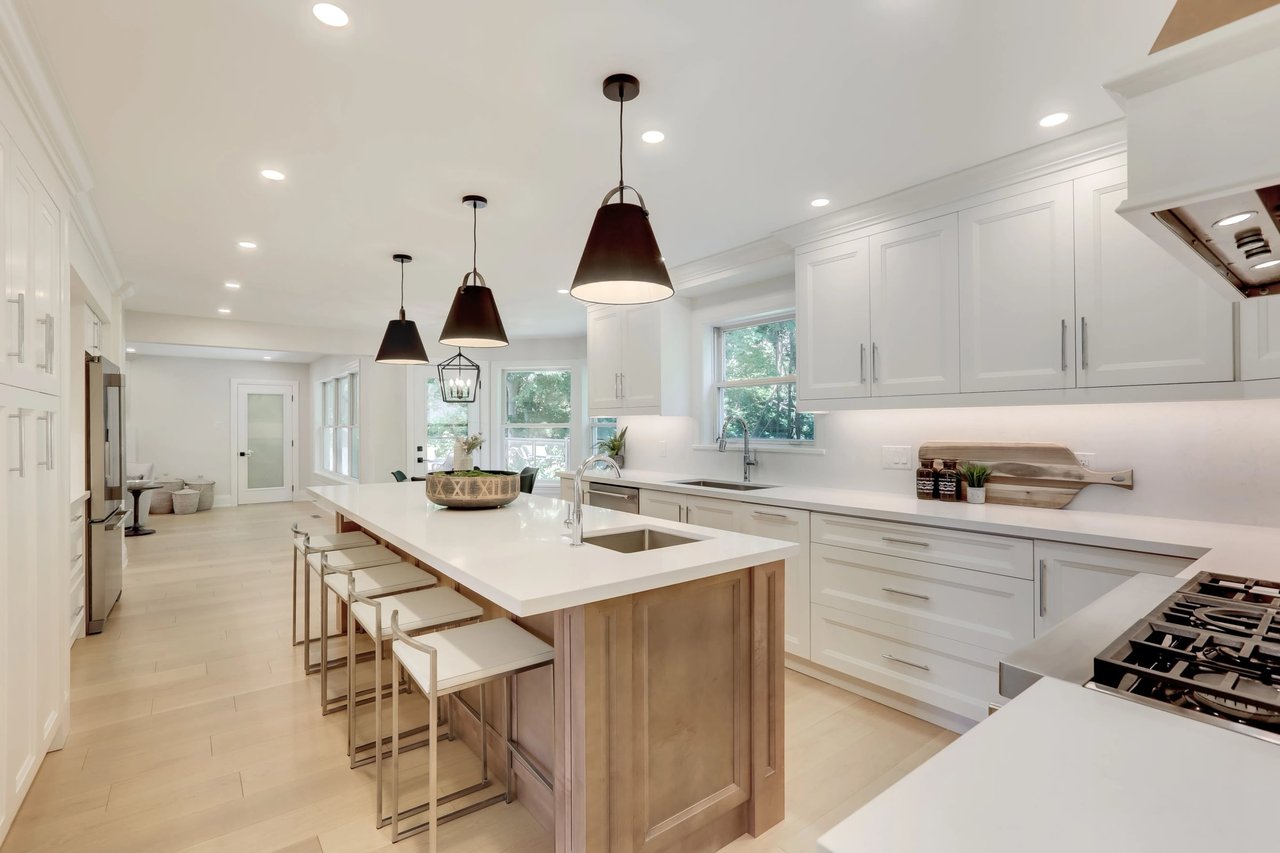
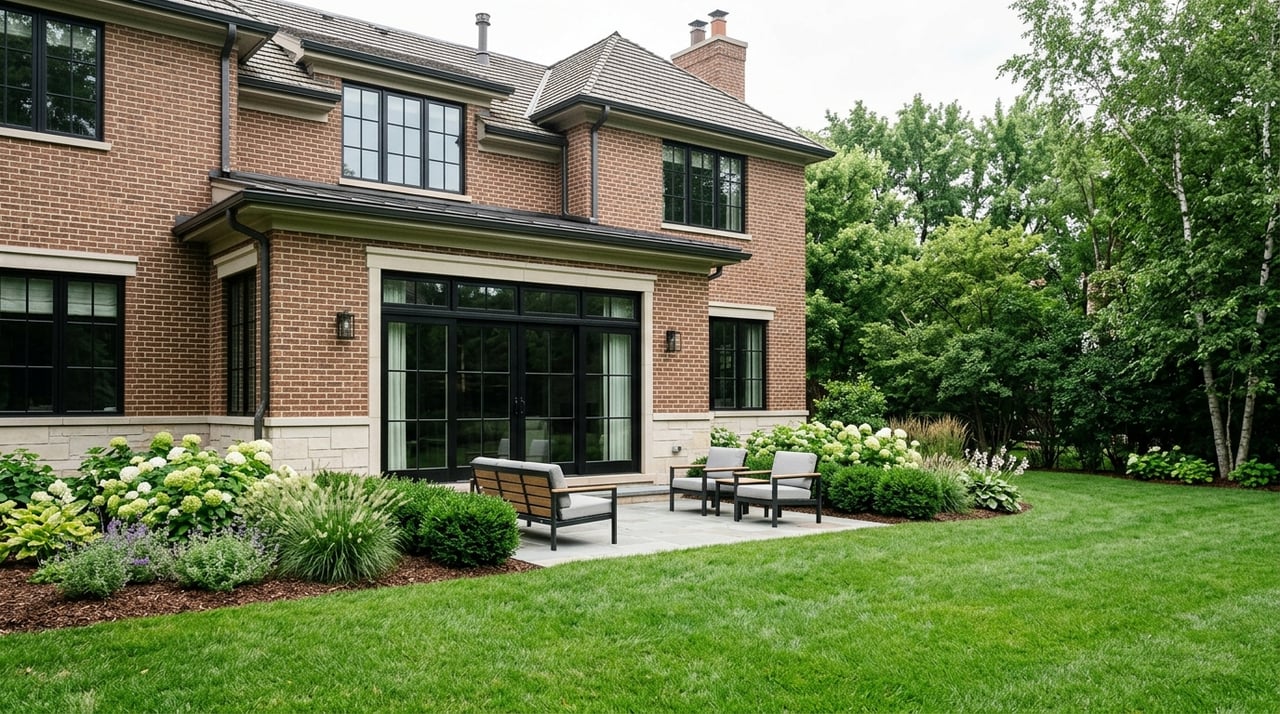
The strongest rental listings are likely to be homes that feel move-in ready. Reliable heating and cooling, broadband readiness, practical layouts, and well-kept outdoor space can all support stronger interest. In a market with fewer rental options, details often carry more weight.
Features that may matter most
Based on Glenview’s demographics and amenity profile, small investors should pay close attention to features that support everyday suburban living.
Likely priorities include:
- Multiple bedrooms for household flexibility
- Usable yard or outdoor space
- Easy access to expressways or Metra
- Dependable heating and cooling systems
- Strong maintenance history
- Clean, updated interiors that do not feel temporary
Why underwriting should stay conservative
For many small investors, Glenview can be appealing because it is established, well-connected, and generally stable. Still, high entry prices can make it harder to create immediate cash flow. If you are evaluating a property here, it helps to treat online rent estimates as directional and build your numbers carefully.
A conservative approach may include:
- Stress-testing rent assumptions instead of using the highest online estimate
- Budgeting for seasonal repairs and upkeep
- Planning for longer make-ready timelines between tenants
- Leaving room for compliance-related costs
- Avoiding the assumption that fast home sales automatically mean fast rental leasing
That mindset fits Glenview better than an aggressive, high-turnover investment strategy. For many small investors, the stronger case is a carefully managed long-term hold.
Cook County rules matter in Glenview
One of the biggest mistakes a small investor can make is assuming a single-family home is automatically exempt from local landlord-tenant rules. In Glenview, which is in suburban Cook County, the Cook County Residential Tenant Landlord Ordinance generally applies to almost all rental units, including anti-lockout protections for all units.
The exemptions are narrow. A single-family home or condominium may be exempt only when the owner rents just that one property and the owner or an immediate family member lived there within the past 12 months. Because of that, you should not assume your Glenview house falls outside the ordinance without checking the details carefully.
Key RTLO requirements to know
For covered units, the Cook County ordinance includes several rules that directly affect leasing and operations.
Important requirements include:
- Habitability standards and compliance with local codes
- Adequate heat from September 15 through June 1
- 2-day notice for entry
- 5-day notice for nonpayment
- 10-day notice for lease violations
- 60-day notice for non-renewal
- Limits on late fees
- Security deposits held separately
- Security deposit cap of 1.5 times monthly rent
- Return of the security deposit within 30 days with an itemized list of deductions
Illinois landlord-tenant rules still matter too. According to the Illinois Attorney General, landlords must keep units fit to live in, make necessary repairs, comply with health and housing codes, and follow notice requirements. Illinois also does not have rent control.
Screening rules need extra care
Cook County’s Just Housing Amendment adds another important compliance layer for tenant screening. The county prohibits denials based on arrest records, bars consideration of criminal history older than three years, and requires a step-by-step process that starts with non-criminal prequalification before any criminal background review.
If you use generic online forms or out-of-the-box screening systems, this is an area where mistakes can happen quickly. For a small investor, it is a reminder that local process matters just as much as finding the right applicant.
Turnover planning starts early
In Glenview, turnover should not begin when the tenant hands back the keys. Because covered units under the RTLO generally require 60-day non-renewal notice, it makes sense to start renewal decisions and prep work well ahead of vacancy.
That early planning window can help you coordinate paint touch-ups, small repairs, listing photos, and marketing before the home sits empty. In a market where expectations are high, a rushed turnover can hurt both rent potential and tenant interest.
A smart turnover checklist
If you own or plan to buy a Glenview single-family rental, it helps to think in a calendar-driven way.
A practical turnover plan may include:
- Review renewal timing at least two months in advance
- Schedule touch-ups and contractor bids early
- Confirm any permit-triggered work before move-in
- Arrange refuse service transfer or cart coordination
- Plan yard cleanup, especially during landscape waste season
- Prepare marketing materials once the home is show-ready
Glenview requires weekly refuse collection for all homes, and detached single-family homes and duplexes use the village’s contracted hauler. Landscape waste collection runs from April 1 through November 30, which can affect turnover timing and exterior prep.
Weather has a real impact on expenses
Glenview’s climate should absolutely shape your maintenance budget. Local climate normals show about 38.2 inches of annual snowfall, 115.3 days below freezing, 6.5 days below 0 degrees, and 16.3 days above 90 degrees. That kind of weather creates a very real workload for heating, cooling, roofing, drainage, and winter protection.
For small investors, this means maintenance is not just a line item. It is part of your leasing strategy. A well-maintained home is more competitive, easier to show, and less likely to create costly surprises during a tenant’s lease term.
Seasonal maintenance priorities
A Glenview rental benefits from a maintenance calendar that matches the local climate.
Consider building around these seasonal tasks:
- Fall: furnace service, weather sealing, gutter cleaning
- Winter: pipe protection, roof checks, snow-related monitoring
- Spring: drainage review, gutter inspection, exterior cleanup
- Summer: air-conditioning service, landscaping, exterior wear checks
Glenview also actively enforces building, health, fire, property maintenance, and zoning standards. If repairs involve permits, inspections may be required, so it is wise to leave extra time in your planning.
What this means for small investors
Glenview can make sense for a small investor, but usually not for the reasons people first expect. This is not the kind of market where you chase the cheapest house and hope for outsized rent. It is a higher-bar suburb where upkeep, compliance, and tenant experience tend to play a bigger role.
If your goal is to own a carefully selected suburban rental in a stable community, Glenview may be worth a close look. The best fit is often an investor who values long-term hold potential, plans conservatively, and is prepared to run the property with attention to detail.
If you want help evaluating a Glenview single-family rental, comparing nearby suburban options, or planning a lease-ready strategy for a property you already own, Jennifer Haug offers hands-on local guidance for small investors across the northwest Chicago suburbs.
FAQs
Is Glenview a good place for a single-family rental investment?
- Glenview may appeal to small investors looking for a stable long-term hold, but its high home prices and moderate rent levels often make it more of an appreciation and stability market than a high-cash-flow play.
Do Cook County landlord rules apply to Glenview single-family rentals?
- In many cases, yes. The Cook County Residential Tenant Landlord Ordinance generally applies to most rental units in suburban Cook County, and single-family homes are not automatically exempt.
What kind of tenants do Glenview single-family rentals likely attract?
- Based on Glenview’s demographics, transit access, and suburban amenities, single-family rentals are likely to appeal to long-term households seeking space, commuter convenience, and a well-maintained home.
What notice is required for Glenview rental non-renewals?
- For covered units under the Cook County RTLO, 60-day notice for non-renewal is generally required, so planning ahead is important.
What maintenance issues matter most for Glenview rental homes?
- Weather-related upkeep is a major factor, especially heating systems, pipe protection, roof checks, drainage, gutters, and summer cooling maintenance.
What should small investors watch for when screening tenants in Cook County?
- Small investors should follow Cook County’s Just Housing Amendment, which requires non-criminal prequalification first and limits how criminal history can be considered in the screening process.