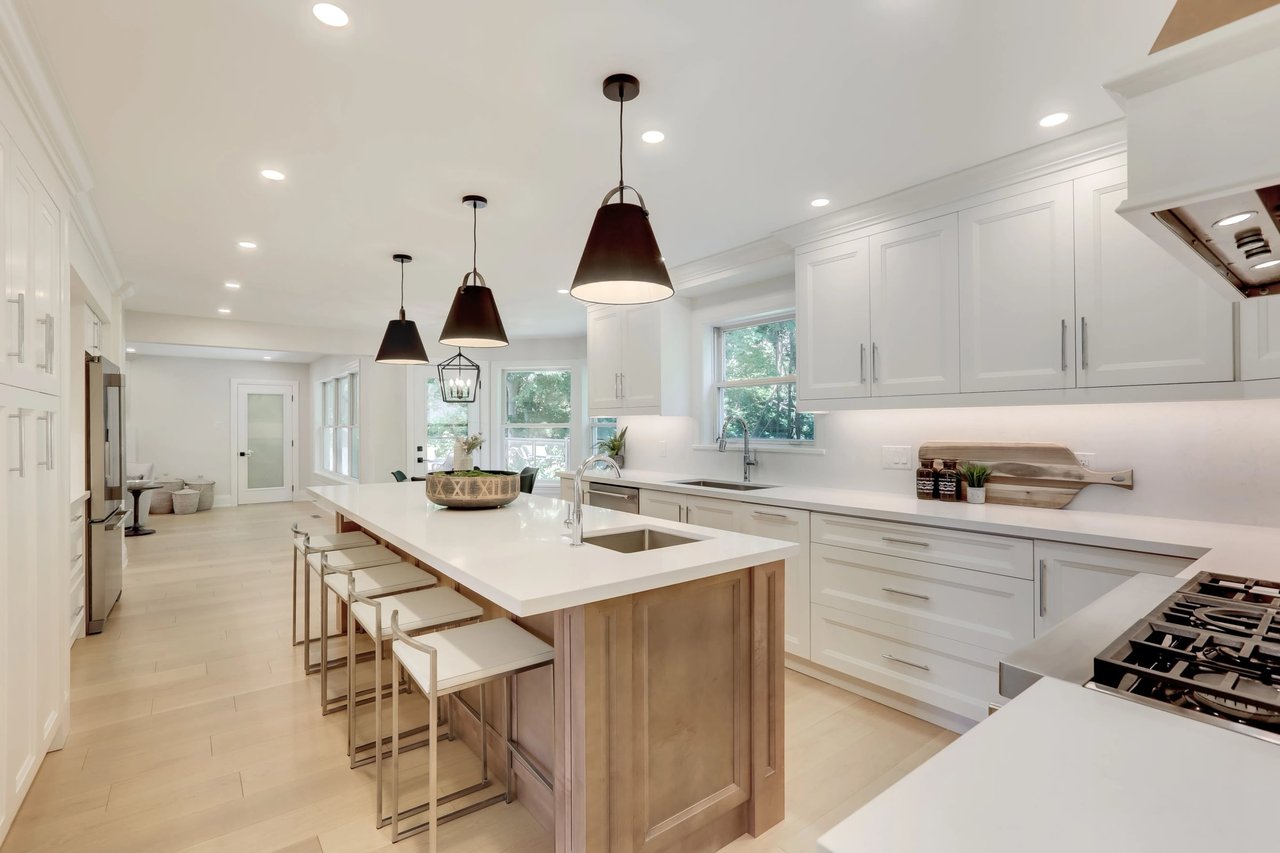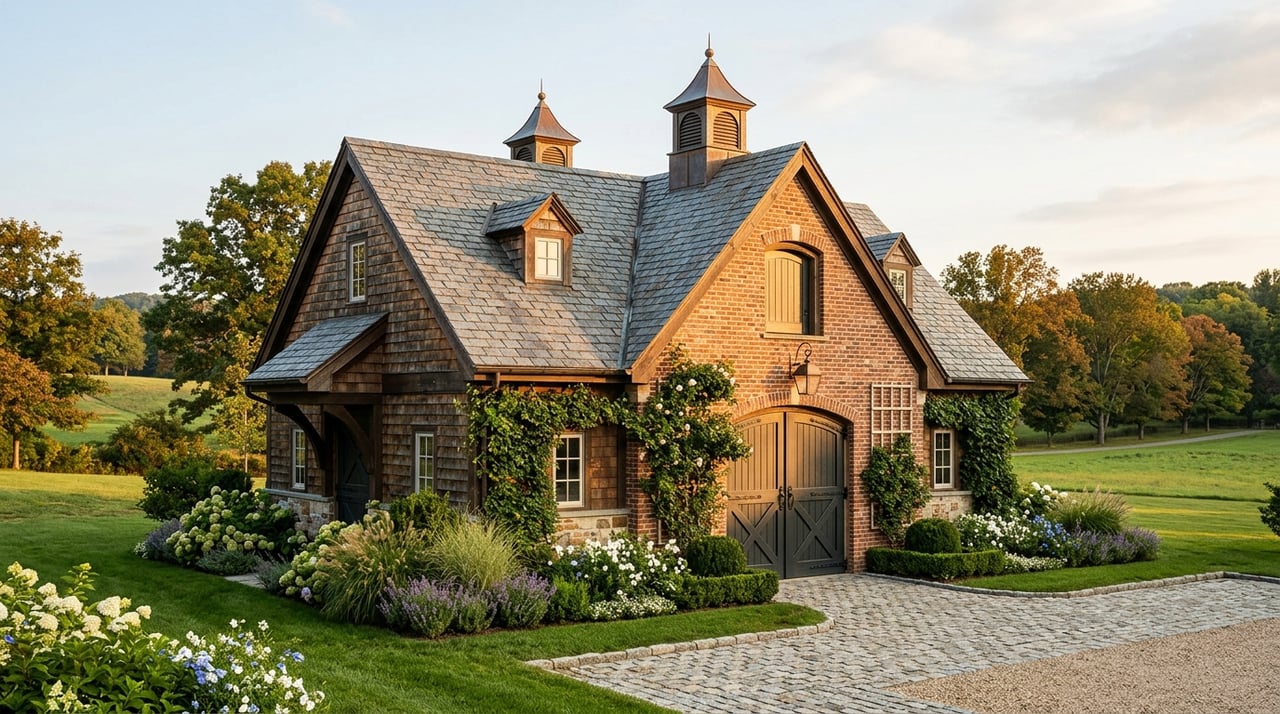
Thinking about acreage in the Barrington area? The lifestyle can be beautiful, but it is also more hands-on than many buyers expect. If you are drawn to open land, horse facilities, and a quieter daily rhythm, this guide will help you understand what ownership really looks like in and around Barrington Hills. Let’s dive in.
Why Barrington Hills Stands Out
Barrington Hills is one of the clearest examples of acreage living in the Barrington area. The village is about 40 miles northwest of Chicago, and local information describes large properties ranging from one to more than 10 acres. The majority of parcels are reported to be 5 acres or larger.
That scale changes how a property feels and functions. Instead of a typical suburban lot, you are often dealing with land that supports privacy, outdoor storage, gardening, hobby uses, and in some cases horses. It is a country-suburban mix that appeals to buyers who want more space and more connection to the outdoors.
Another major part of the appeal is the land itself. Barrington Hills highlights more than 4,722 acres of forest preserve within the village and more than 150 miles of private and publicly owned trails on 3,800 acres of forest preserve. For many buyers, that trail and open-space access is just as important as the house.
What Acreage Living Feels Like
Acreage is not just about owning more land. It often means you are actively managing that land in a way you would not on a smaller suburban property. Your daily routine may include checking drainage, maintaining driveways and gates, watching pasture conditions, and planning for seasonal weather changes.
That is especially true if the property has horse-related features. Extension guidance for horse properties emphasizes basics like pasture rest, dry lots, shelter, feed, water, and regular manure removal. In other words, the setup matters, but the upkeep matters just as much.
If you are comparing acreage to a more typical subdivision home, it helps to think in terms of rhythm. The property may offer more privacy and flexibility, but it also asks more from you week to week. That tradeoff is often worth it for buyers who truly want the lifestyle.
Equestrian Basics to Know
Barrington Hills has a well-known horse tradition. The village explicitly welcomes private horse ownership and notes the ability to house, raise, ride, and breed horses on private property. It also describes a history of small-scale neighborly boarding and private trail use.
For buyers, that means an equestrian property is not only about the barn. You also want to understand turnout areas, pasture layout, fencing, drainage, shelter, and how the land handles wet weather. A pretty setup in photos may function very differently during a Midwest winter or after heavy rain.
Dry lots are one example. Extension guidance notes that they are commonly used when pasture needs to recover or during winter, and they should be fenced, drained, and kept clear of manure. This is the kind of detail that can shape day-to-day convenience more than buyers first realize.
Key horse-property routines
If you are considering a horse-ready or horse-friendly property, expect ongoing routines such as:
- Regular manure pickup in high-use areas
- Periodic pasture rest and rotation instead of constant turnout on the same grass
- Monitoring gates, fencing, and sheltered turnout areas
- Paying close attention to mud, drainage, and wear in high-traffic zones
These are practical ownership basics, not small details. They affect maintenance costs, usability, and how enjoyable the property feels over time.
Mud, Drainage, and Midwest Weather
One of the biggest realities of acreage and equestrian living is mud control. Seasonal Midwest weather can turn high-traffic areas into a problem if the site was not planned well. That is why drainage should be a major part of your property review.
Extension guidance recommends placing high-use areas on higher ground when possible and using tools like gutters, swales, and high-traffic pads to reduce mud. On a showing, this may not always be obvious, especially in dry weather. A property that looks simple to manage in summer can reveal very different conditions in late fall, winter, or spring.
Barn conditions matter too. Guidance on horse facilities notes that winter insulation and ventilation help prevent condensation and freezing water lines, while summer ventilation helps keep barns cooler and improves air quality. If a property includes a barn or stable area, those systems deserve a close look.
Wells, Septic, and Waste Systems
In Barrington Hills, many of the most important features are not visible from the road. The village states that it does not provide water and sewer services, and most homes use private wells and septic systems. It also recommends annual water testing.
That makes infrastructure a top due-diligence issue. A beautiful home on acreage may still require careful review of well equipment, septic condition, maintenance records, and service history. These items have a direct effect on both daily comfort and future costs.
The village also notes that septic tanks typically need routine pumping, often about every three years. On top of that, residents arrange private waste and recycling pickup individually rather than using standard municipal household collection. If you are moving from a more conventional suburb, that shift can feel significant at first.
What to verify early
When you are evaluating an acreage property, ask about:
- Water source and recent water testing
- Septic age, maintenance history, and current condition
- Permit history for barns, sheds, garages, or other outbuildings
- Drainage patterns around the house, barn, paddocks, and driveway
- Waste and recycling service arrangements
These are some of the most important questions because they shape how the property actually operates after closing.
Permits, Fences, and Outbuildings
Acreage often comes with extra structures and improvement opportunities, but local rules still apply. Barrington Hills says building permits are required for large barns and many outdoor projects, including accessory buildings such as coach houses, detached garages, barns, and sheds, along with hardscapes, pools, earth moving, and decks.
The village also warns that unpermitted work can lead to fines of up to $2,500 per day. For buyers, that makes permit history more than a paperwork issue. It is a key part of understanding risk, compliance, and what you may need to correct later.
Fence rules matter too, especially for horse properties. Barrington Hills states that fences can be solid up to 6 feet tall and up to 8 feet tall when the upper portion is 50% open. The village also says a permit is not required to install a fence, but setbacks still apply to accessory structures.
Smaller buildings have their own rules. A shed under 200 square feet without electricity or plumbing does not require a village permit, but it still must meet setback requirements. Before planning any changes, it is smart to confirm the rules tied to the specific parcel.
Land Care and Seasonal Rules
Part of acreage living is learning that the land itself is regulated in ways many suburban owners never encounter. Barrington Hills notes that it is one of the few municipalities that allows burning on residential properties, but only under specific limits involving wind, time of day, size, setbacks from structures, and supervision.
Tree removal also deserves caution. The village states that some trees are protected by the Heritage Tree Preservation Ordinance. If you are buying a property with mature trees and envisioning changes to sightlines, trails, or pasture edges, it is important to check first.
Heavy equipment can create another layer of planning. The village requires overweight permits when vehicles over 36,000 pounds use village-maintained roads, and those permits are generally suspended during spring freeze-thaw conditions. If you are planning major work, timing may matter more than expected.
Due Diligence for Barrington Acreage
Acreage purchases reward buyers who look past curb appeal. The highest-priority items in Barrington Hills include water source, septic condition, permit history for barns or outbuildings, fence and setback compliance, drainage, and the maintenance history of horse-related improvements. Those are the features that shape daily ownership.
It is also important to remember that Barrington Hills spans Cook, Kane, McHenry, and Lake counties. That means the local authority affecting a property can vary by parcel. Before making plans for improvements or service changes, you will want to confirm which local rules apply.
This is where a hands-on, local approach matters. On a property with acreage, your questions need to go beyond bedrooms and finishes. You want to understand how the land works, how the systems have been maintained, and whether the property supports the lifestyle you actually want.
Is This Lifestyle Right for You?
Barrington acreage and equestrian living can be incredibly rewarding if you want privacy, open land, and a more outdoor-centered routine. It offers a different pace than a standard subdivision, with more room to spread out and more direct connection to the property itself.
At the same time, it comes with responsibilities that deserve clear-eyed planning. Wells, septic systems, mud control, permits, and horse-property maintenance are all part of the ownership picture. The goal is not to avoid those realities, but to understand them before you buy.
If you are exploring acreage or equestrian homes in the Barrington area, working with someone who understands both the lifestyle and the local details can make the search much clearer. When you are ready to talk through properties, land features, and what to verify before you move forward, connect with Jennifer Haug.
FAQs
What makes Barrington Hills different from a typical suburban neighborhood?
- Barrington Hills is known for larger parcels, with local information stating that many properties are 5 acres or more, along with extensive open space, forest preserve land, and trail access.
Can you keep horses on a property in Barrington Hills?
- Yes. Barrington Hills explicitly supports private horse ownership and notes that residents may house, raise, ride, and breed horses on private property.
What infrastructure should buyers check on a Barrington acreage property?
- Buyers should verify the water source, well testing, septic condition, maintenance history, drainage, and waste service arrangements because many homes rely on private systems.
Do Barrington Hills barns and outbuildings require permits?
- Many do. The village states that permits are required for large barns and many accessory buildings and outdoor projects, so buyers should review permit history carefully.
What should buyers know about fences on Barrington Hills properties?
- The village states that fence height rules apply, and while a fence permit is not required, setback rules still matter for accessory structures and site planning.
Why is drainage such a big issue on acreage and equestrian properties?
- Drainage affects mud control, pasture use, turnout areas, and overall usability, especially during seasonal Midwest weather and in high-traffic areas around barns and gates.